Stalled
Incomplete system
- Half-built screens
- Missing payments
- No release path
Senior engineers for founders, fast-moving teams, and agencies. Production MVPs, high-stakes product rescue, and business automation — scoped before kickoff.
Engagements
Transparent, fixed-scope engineering. Pick the model that matches the milestone.
Finish what already exists. Inherited code, stalled MVPs, and launch blockers.
Turn a validated idea into a production product people can actually use.
Your client. Your relationship. HPN handles the engineering.
Selected work
Live production software — real users, real payments, real infrastructure.
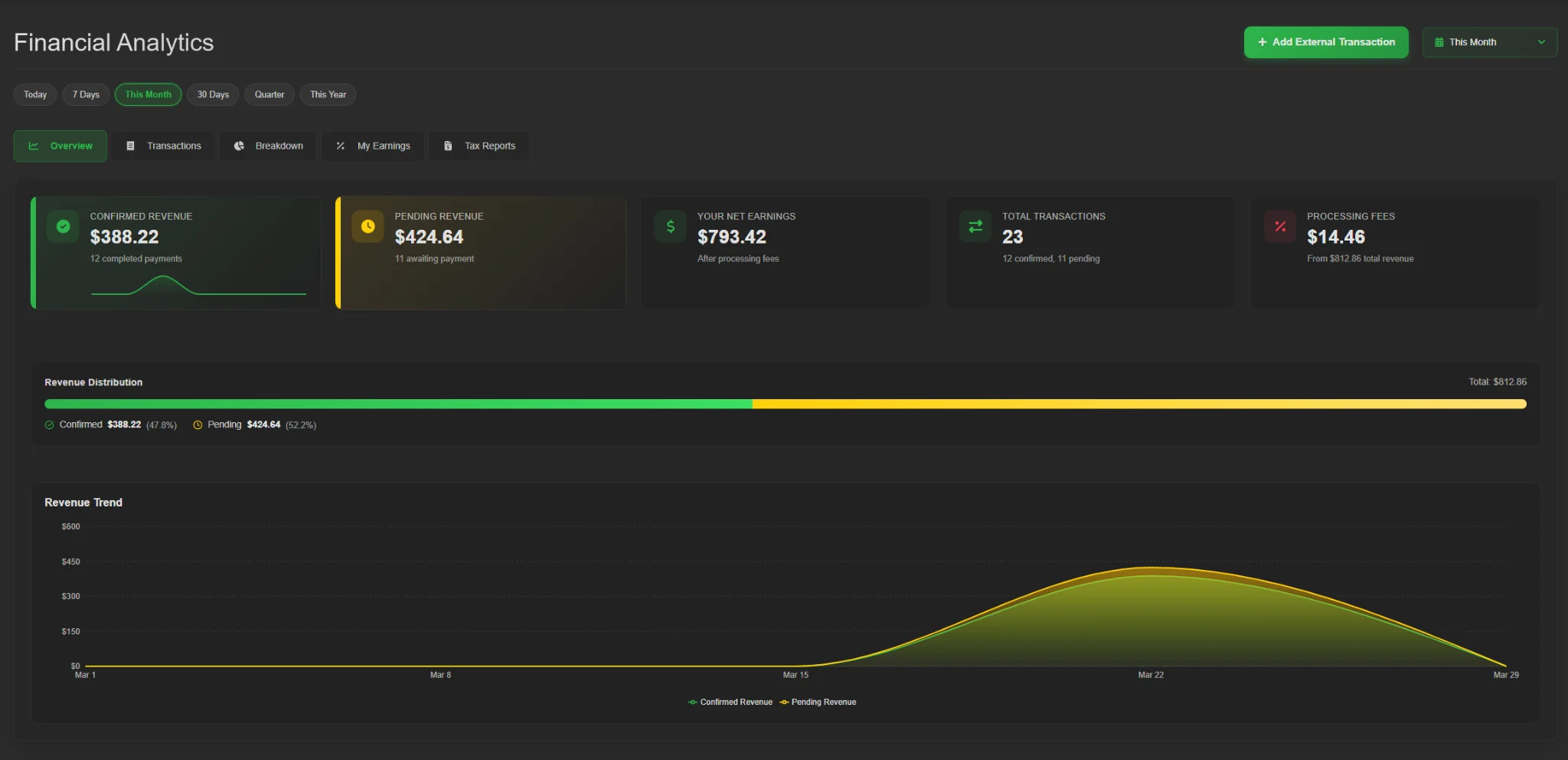
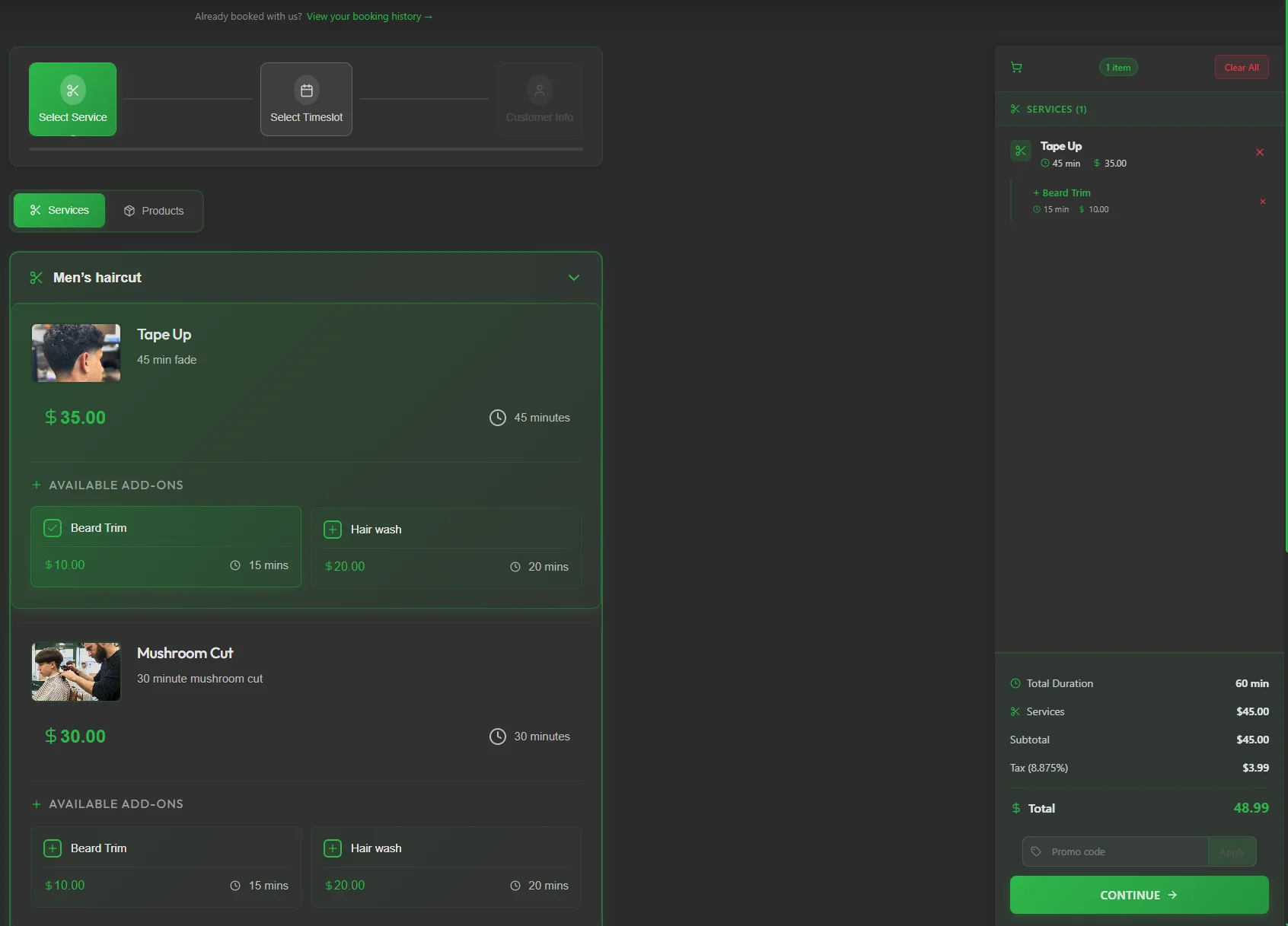
Production SaaS
Scheduling and payments spanning mobile apps, web portal, Spring Boot, Stripe Connect payouts, and AWS.
React Native · Spring Boot · PostgreSQL · Stripe · AWS
View case study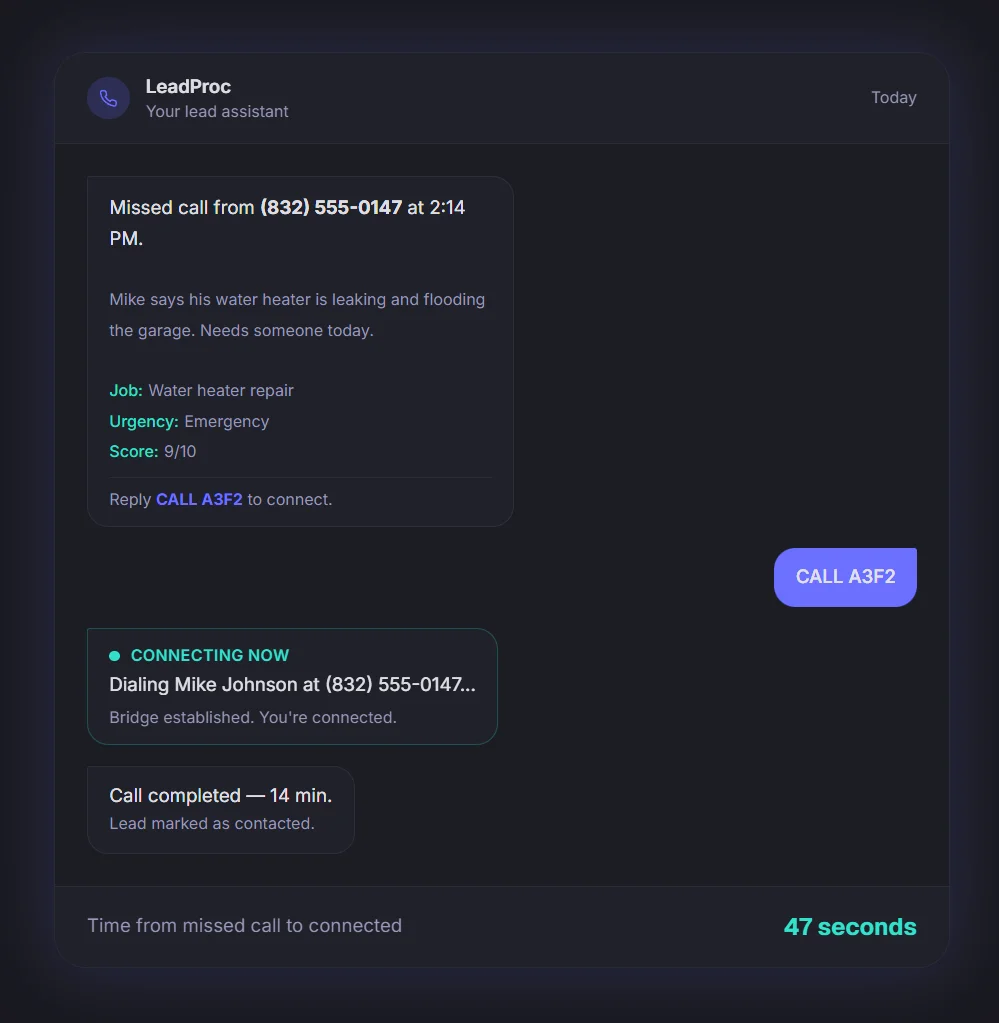
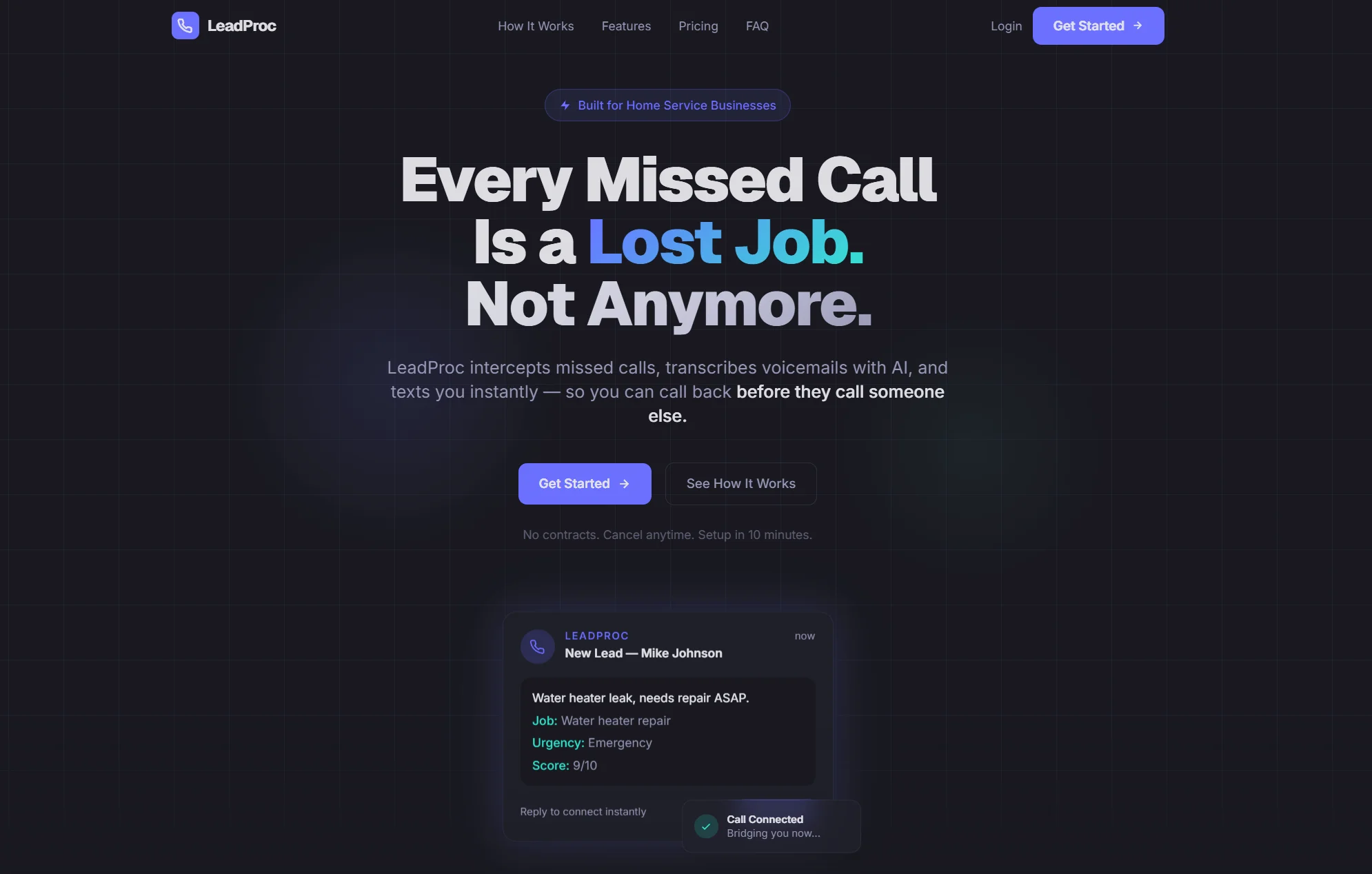
AI telephony
Missed-call interception and lead routing — Telnyx telephony, AI conversation handling, and resilient pipelines.
Telnyx · OpenAI · TypeScript · Node.js · PostgreSQL
View case studyProduct Rescue
Already have code, a prototype, or a half-built app? The job is to get it across the finish line — after an engineering diagnostic, not before one.
Tell Us What’s StuckStalled
Review
Shipped
Business Automation
Your team shouldn’t be the integration layer. HPN connects the systems, approvals, data, and repetitive workflows your team still moves by hand.
Typical automation projects $3.5k–$15k+
Explore Business AutomationA workflow, a check, and an exception path — approval stays where judgment is required.
Capabilities
From the data model to the client surface — senior execution at every layer that has to ship.
Production web applications, SaaS, and the systems that make a product real.
iOS and Android from one React Native codebase, including completion of stalled apps.
Spring Boot, Node, PostgreSQL, auth, and the data model the product actually needs.
Stripe, Connect, billing, and payout flows — not a checkout plugin dropped in late.
Assistants, qualification flows, and AI features wired into a real product, not a demo.
AWS, deployment, monitoring, and the unglamorous work that keeps a release stable.
Delivery
Sprint-based delivery designed to kill scope drift and put working software in front of you.
We review what already exists — code, designs, requirements, or a live system — and the outcome you actually need.
Scope, constraints, and a clear picture of what ships. Work does not start against a vague brief.
You see working software as it lands, with progress tied to the agreed scope.
Release, fix what production reveals, and leave the product in a state someone can operate.
How HPN is run
You work with the engineer responsible for delivery. Scope is written down before kickoff. Communication stays technical, specific, and accountable.
Direct access to the engineer responsible for the build.
Fixed-scope engagements. Not a bench of unused hours.
What ships, what it costs, and what is out of scope — in writing.
Investment
Final pricing depends on scope and technical requirements.
FAQ
Straight answers on fit, cost, and how a project actually starts.
HPN Studio is a product engineering studio. The primary product work is MVP development, product rescue, and white-label builds for agencies. A separate lane — Business Automation — is for operating businesses that need repetitive workflows connected across existing systems. Mobile, backend, payments, AI, and infrastructure support those engagements.
Typical project investment is $3.5k–$25k+. Product Rescue usually sits in the $3.5k–$7.5k range. MVP Development is typically $10k–$25k+ for an initial build. Business automation typically ranges from $3.5k–$15k+. Agency partner work is custom quoted. Final pricing depends on scope and technical requirements.
Product Rescue assumes something already exists — a prototype, repo, or unfinished app — and the job is to get it across the finish line. MVP Development is an initial production build from a validated idea, designs, or a serious brief. Rescue is typically $3.5k–$7.5k. Initial MVPs are typically $10k–$25k+.
No. Existing products are reviewed before a rescue is committed. MVPs need a real problem and enough signal to scope a production build. Automation is scoped only when the workflow is actually worth automating. If the work is not a fit, we say so rather than force it into a published price range.
Fill out the project form or email directly. We review what exists — code, designs, a prototype, or a brief — then write a scope and estimate. Work does not start against a vague request.
Yes. Agency partner work is project delivery: frontend, backend, mobile, payments, integrations, and infrastructure behind the partner’s client relationship. White-label-capable and NDA-friendly. Terms are set per engagement.
Tell us what exists, what’s stuck, and what needs to go live. We respond with a clear next step.